The Importance of Movement Screens for Achieving Your Health Goals

Every person’s body moves differently. Whether you want to improve your fitness, recover from an injury, or simply feel better in daily life, understanding how your body moves is key. A movement screen helps reveal how your body functions, highlighting strengths and weaknesses that affect your progress. This simple yet powerful tool plays a crucial role in injury prevention and improving performance, no matter what your health goals are.

What Is a Movement Screen?
A movement screen is a series of tests designed to assess how your body moves through different patterns. These tests evaluate your flexibility, balance, strength, and coordination. The goal is to identify any limitations or imbalances in your biomechanics that could lead to injury or reduce your ability to perform exercises effectively.
For example, a common movement screen might include squats, lunges, or overhead reaches. This helps us design a plan tailored to your unique needs.
Why Movement Screens Matter for Everyone
Many people think movement screens are only for athletes or those recovering from injury. That is not true. Everyone can benefit from understanding their movement patterns. Here’s why:
Injury Prevention
Poor movement patterns increase the risk of injury. For instance, if your knees collapse inward during a squat, it puts extra strain on ligaments and joints. A movement screen can catch this early and guide corrective exercises to protect your body.
Improved Performance
Whether you want to run faster, lift heavier, or simply move more comfortably, efficient biomechanics make a difference. Movement screens identify weak links or tight areas that limit your performance. Fixing these issues helps you move better and get more from your workouts.
Personalized Care
No two bodies are the same. A movement screen provides a clear picture of your unique biomechanics. This allows health professionals to create a plan that fits your goals and respects your body’s current condition.
How Movement Screens Support Injury Prevention
Injury often happens when the body compensates for weaknesses or restrictions. For example, if your hips are tight, your lower back might take on extra stress during daily activities or exercise. Over time, this can cause pain or injury.
Movement screens detect these compensations early. By identifying faulty movement patterns, you can address the root cause before it leads to injury. This proactive approach saves time, money, and frustration.
Consider a runner who experiences knee pain. A movement screen might reveal weak hip muscles causing the knee to track incorrectly. Strengthening those muscles and improving biomechanics can reduce pain and prevent future injuries.
Enhancing Performance Through Better Biomechanics
Performance is not just about working harder; it’s about working smarter. Good biomechanics allow your body to generate force efficiently and move with less effort. This means you can train longer, recover faster, and reach your goals sooner.
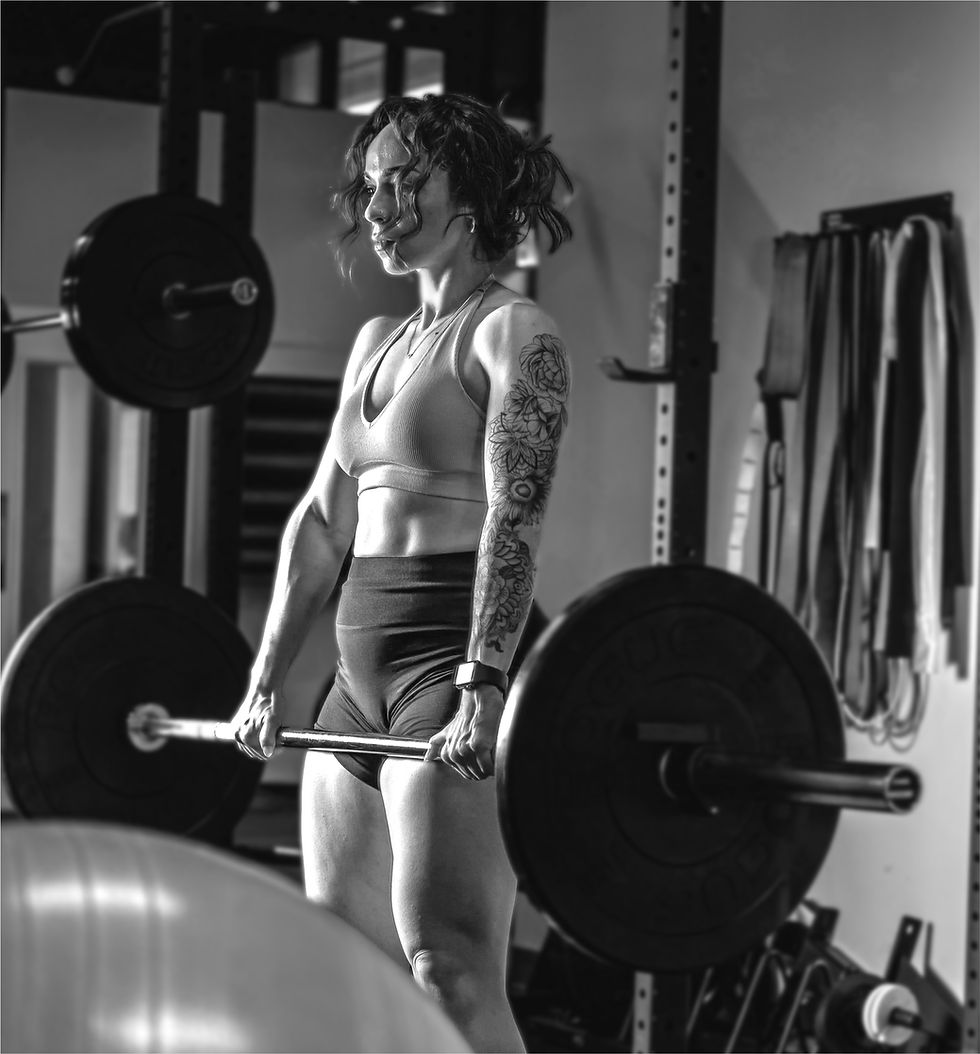
For example, a weightlifter with poor shoulder mobility might struggle to lift overhead safely. A movement screen would highlight this limitation, leading to targeted mobility work. As a result, the lifter can improve technique, lift heavier weights, and reduce injury risk.
Even for everyday activities like walking or climbing stairs, better movement patterns reduce fatigue and discomfort. This improves overall quality of life.
What to Expect During a Movement Screen
A typical movement screen takes about 20 to 30 minutes. It involves performing a series of simple movements while a professional observes and sometimes records your form. These movements test:
Joint range of motion
Muscle strength and activation
Balance and coordination
Postural alignment
After the screen, you receive feedback on your movement quality. The professional may suggest exercises to improve weak areas or refer you for further assessment if needed.
Taking Action After Your Movement Screen
The value of a movement screen lies in what you do with the results. Here are some practical steps:
Follow a tailored exercise plan that targets your specific weaknesses or imbalances.
Incorporate mobility and flexibility work to improve joint function.
Practice proper technique during workouts to reinforce good movement patterns.
Schedule regular re-assessments to track progress and adjust your plan.
By addressing your unique biomechanics, you reduce injury risk and boost your ability to reach your health goals.
Final Thoughts on Movement Screens
Movement screens offer a clear window into how your body works. They provide essential information that supports injury prevention and enhances performance. No matter your goal—whether it’s running a marathon, recovering from pain, or simply feeling stronger—understanding your movement patterns is a smart first step.
If you want to improve your health safely and effectively, consider getting a movement screen. It’s an investment in your body’s long-term function and your ability to enjoy an active life.


Comments